A few months ago I realized I had somehow turned into the kind of person who kept buying books without actually reading them. My nightstand looked very ambitious. Meanwhile I was spending most evenings scrolling on my phone while telling myself I would “start reading tomorrow.”
At first I thought I was just distracted for a few days, but then weeks passed and I still could not focus on a single book for more than a couple chapters. Even books I wanted to read felt harder to get through. My attention span felt completely fried, especially at night when I was already mentally exhausted from looking at screens all day.
What finally helped me was realizing I did not suddenly stop loving reading. I just made reading feel too pressured, too productive, and honestly less stimulating than everything else competing for my attention.
And I think that’s what happens to a lot of people during a reading slump. You start treating reading like another task you’re failing at instead of something you actually enjoy.
Why Reading is good for you
Reading affects way more than people realize.
Whenever I’m reading regularly, I feel calmer mentally. My evenings feel slower in a good way. I sleep better too because my brain is not overloaded with random videos and nonstop notifications right before bed.
I also noticed reading gives my brain a different kind of rest than scrolling does. Social media leaves me feeling overstimulated after a while, even when I’m technically “relaxing.” Reading feels slower and quieter in comparison, especially when I’m curled up in bed with softer lighting and my phone farther away from me for once.
That’s probably why reading slumps can feel oddly emotional. It’s not really just about books. Sometimes it feels like losing touch with a calmer version of yourself.
And honestly, I think many people are craving slower routines lately without fully realizing it. That’s one reason slow living habits have become so popular too. They naturally fit into the same kind of calmer lifestyle reading often brings with it: The Ultimate Guide to Slow Living
How to Get Out of a Reading Slump
Stop Forcing Yourself to Read Books You Secretly Hate
This was probably my biggest mistake for years.
I kept choosing books because they were popular online or because I thought they sounded impressive to say I had read. Then I’d spend weeks dragging myself through books I was not even enjoying.
That immediately made reading feel heavy.
The moment I started abandoning books without guilt, reading became fun again. Life is honestly too short to spend three weeks struggling through a novel that feels like homework just because everybody on TikTok loved it.
Sometimes the problem is not reading itself. Sometimes you’re just reading the wrong book for your current mood.
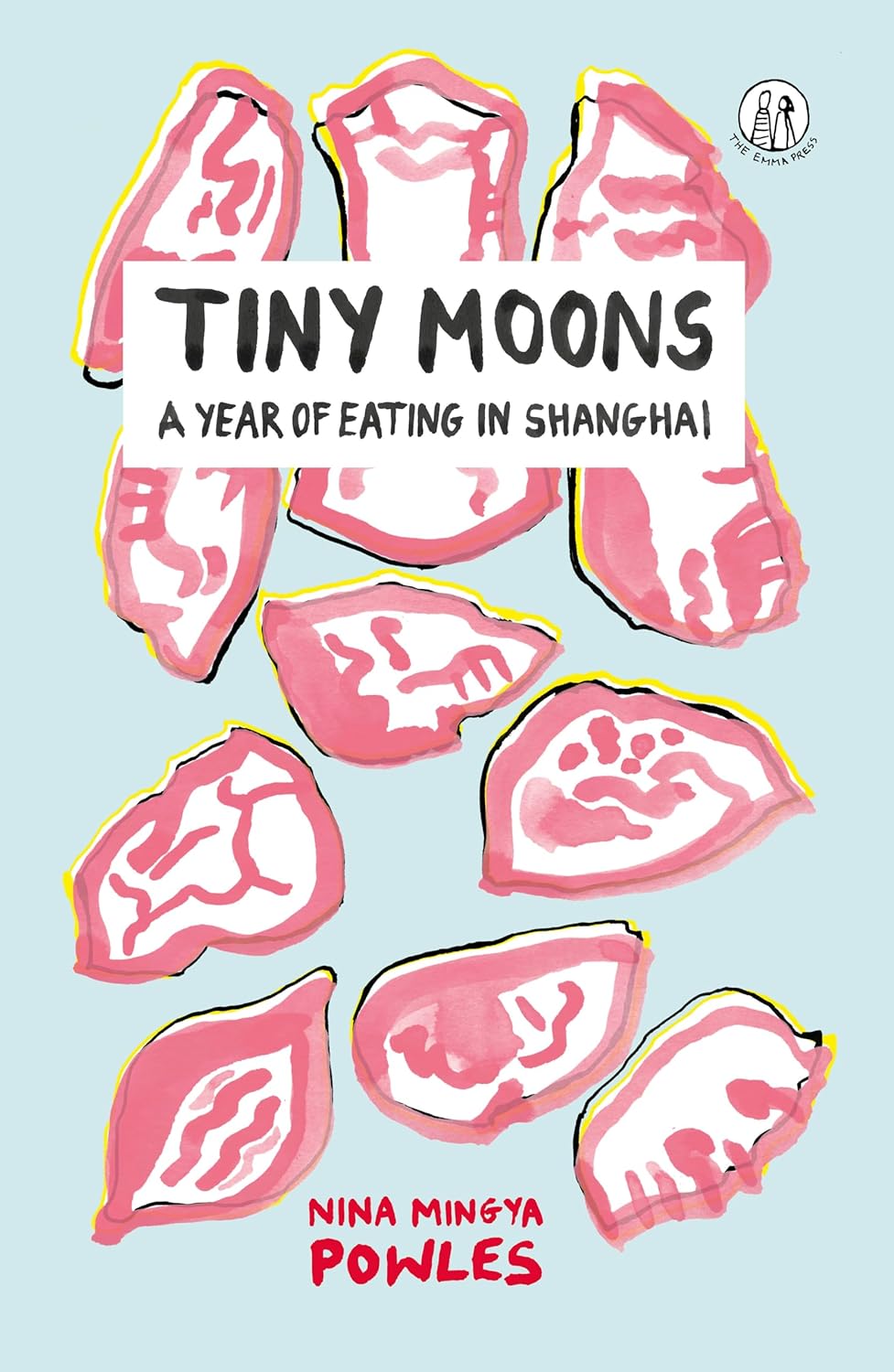
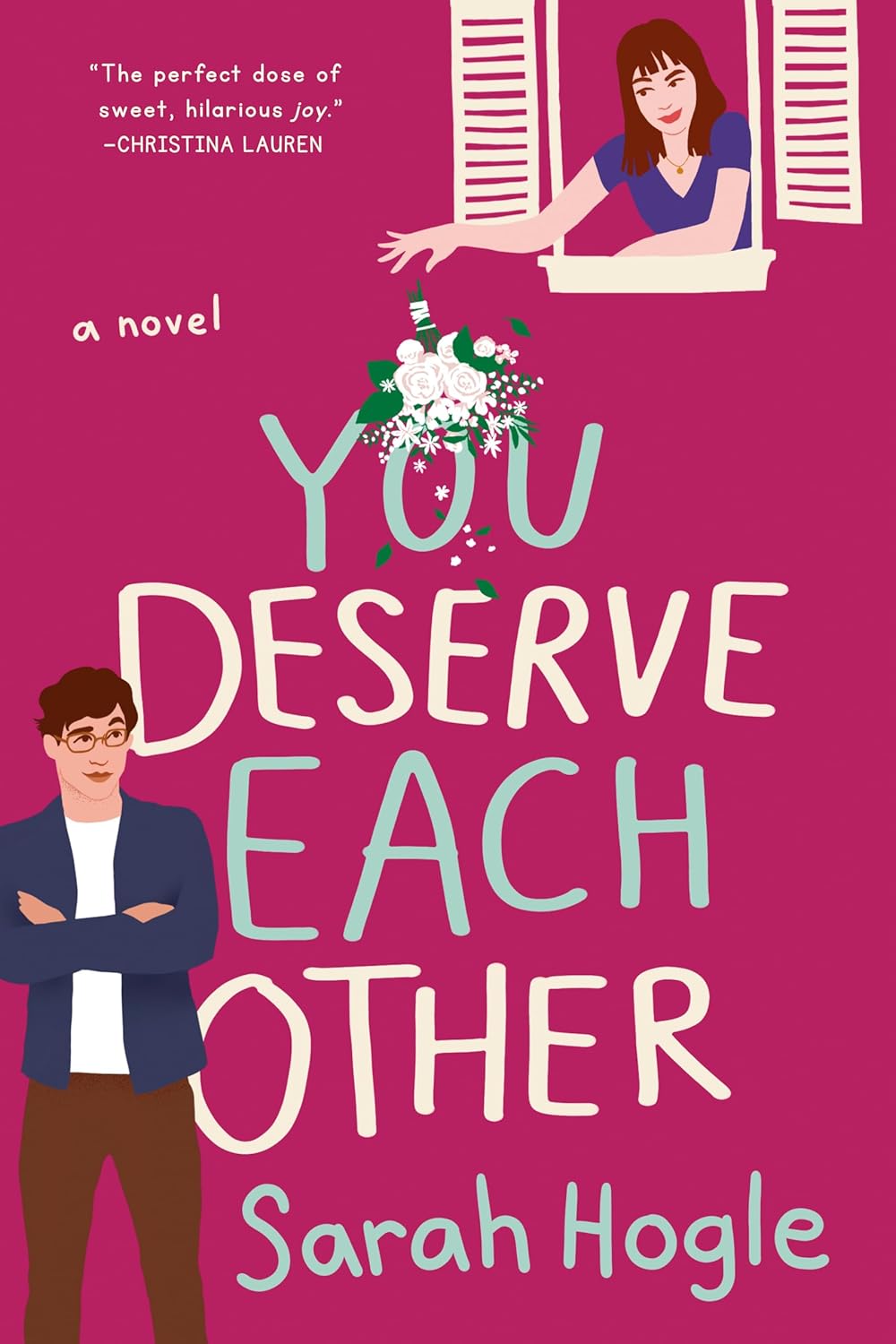
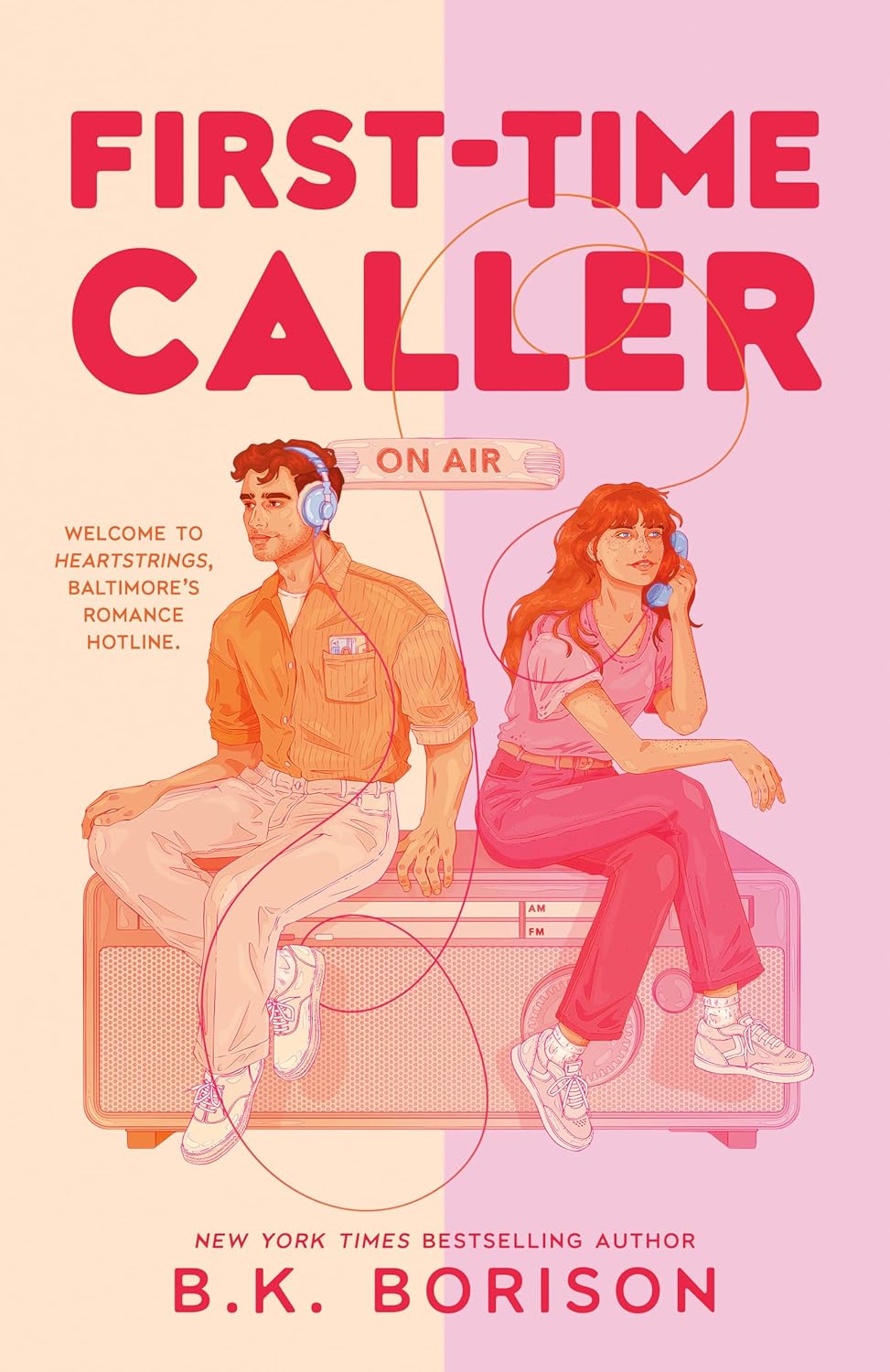
One thing that helped me during my worst reading slump was switching to shorter, more addictive books for a while. Fast-paced thrillers and easy romance novels got me reading consistently again way faster than trying to force myself through dense literary fiction while already mentally tired.
Here are some fast paced books that got me out of a reading slump, and if you have more recs please drop them in the comments
Make Reading Feel Comfortable Again
I noticed I read more when reading actually felt relaxing physically too.
For a while, I kept trying to read sitting at my desk under bright lighting with my phone buzzing beside me every few minutes. My brain automatically reached for easier entertainment instead.
Now my evenings feel completely different. I usually dim my lights earlier, make tea, throw a soft blanket over my bed, and leave my phone farther away before opening a book. Those little things genuinely changed how reading felt.
A Kindle also helped me way more than I expected because I could switch books easily depending on my mood instead of forcing myself through one story I was no longer interested in. Sometimes I’d read a few pages in bed before sleeping, sometimes while drinking coffee in the morning, sometimes during quiet afternoons when I needed a break from screens.
Once reading stopped feeling like some strict productivity habit, it became easier to return to naturally.
Stop Comparing Your Reading Habits to People Online
Book social media can make reading feel strangely competitive sometimes.
You see people finishing twelve books a month while maintaining aesthetic reading journals and perfectly organized bookshelves. Meanwhile you’ve been stuck on the same chapter for five days because your brain feels overstimulated from life in general.
That comparison makes reading feel stressful very quickly.
I had to remind myself that reading is supposed to improve my life, not become another thing I judge myself over.
Some months you’ll read constantly. Some months you’ll barely touch a book. That does not mean you failed as a reader.
I also think people underestimate how difficult concentration has become now. Constant scrolling changes the way our brains consume information. Sitting quietly with a book requires a different level of attention than watching short videos all night.
That does not mean your attention span is permanently ruined though. Mine improved slowly once I reduced nighttime scrolling a little and started replacing even fifteen minutes of phone time with reading instead.
Read Books That Actually Match Your Mood
I used to choose books based on who I wanted to be instead of what I genuinely wanted to read.
If I was mentally exhausted, I’d still try reading emotionally heavy books because I thought they sounded smarter or more productive. Meanwhile my brain wanted something comforting, funny, dramatic, romantic, or entertaining.
Once I started matching books to my actual mood, reading became much easier again.
Some seasons are perfect for lighter books. Some seasons you want emotional stories. Some seasons your brain only wants fast-paced thrillers because life already feels stressful enough.
And honestly, that’s fine.
Reading does not always need to be deeply intellectual to matter. Sometimes a fun entertaining book is exactly what reconnects you with reading again.
Create Smaller Reading Moments During the Day
For the longest time, I kept telling myself I would read before bed every night. The problem was that by nighttime I was already mentally exhausted and ready to sleep.
Once I stopped forcing reading into one specific time slot, things became easier.
Sometimes I’d read while drinking coffee in the morning. Sometimes during lunch breaks. Sometimes while waiting somewhere instead of immediately opening social media.
Those smaller moments added up surprisingly fast.
I also started carrying books around with me more often instead of assuming I’d magically feel motivated later at home. Even reading ten pages during quieter moments helped me slowly rebuild the habit again.
A tote bag with a small book tucked inside somehow made me feel more likely to reach for reading instead of my phone too.
Let Reading Feel Fun Again
I think adults accidentally remove enjoyment from hobbies sometimes.
Everything becomes goals, productivity, self-improvement, routines, and pressure.
Meanwhile some of my favorite reading experiences happened when I stopped overthinking everything and simply picked books that sounded entertaining.
One book that got me out of a major reading slump was honestly just a random thriller I grabbed because the cover looked interesting. It was not deeply life-changing or intellectually impressive. It was just fun enough that I wanted to keep reading.
And that mattered more than forcing myself through books I thought I should enjoy.
I also noticed that reconnecting with slower offline hobbies in general made reading easier too. Once life stopped revolving entirely around screens, books started feeling appealing again naturally.
If you’ve been trying to reconnect with calmer hobbies lately, these slow living hobbies fit really naturally with reading and offline routines too: 15 Slow Living Hobbies to Help You Fall in Love With Life
Stop Putting So Much Pressure on Yourself
This mindset shift probably helped me most.
You do not need to: read constantly or finish every book or annotate beautifully, or maintain perfect reading habits all year long.
Some books will take you months, some books you’ll stop halfway through, some weeks you’ll read every night.
Other weeks you’ll barely touch a page.
That’s normal.
Once I stopped treating reading like another thing I needed to succeed at perfectly, my reading slump slowly disappeared on its own.
Common Mistakes People Make During Reading Slumps
One of the biggest mistakes people make is forcing themselves through books they genuinely dislike because they feel guilty quitting them. That usually makes reading feel heavier instead of enjoyable.
I also think many people try restarting reading with books that are too long, emotionally draining, or difficult when their attention span already feels tired.
Another issue is expecting yourself to read exactly the way you used to years ago without acknowledging how overstimulating life has become now.
And honestly, constantly comparing your reading habits to people online usually makes reading feel more stressful instead of relaxing.
What Actually Helped Me
What helped me most was making reading feel softer and lower-pressure again.
I stopped obsessing over reading goals and focused more on creating calmer routines around books instead. Reading with softer lighting at night, spending less time scrolling before bed, carrying books around during the day, and allowing myself to quit books guilt-free genuinely changed everything.
I also stopped trying to force myself into reading only “important” books. Once I started reading stories that were actually entertaining to me personally, the habit slowly came back naturally.
And weirdly, once reading stopped feeling like a task I was failing at, I started wanting to do it again.
Final Thoughts
Getting out of a reading slump usually has less to do with discipline and more to do with making reading enjoyable again.
Most people do not suddenly stop loving books forever. Their brains are usually just overstimulated, distracted, exhausted, or stuck associating reading with pressure instead of comfort.
The best thing you can do is make reading feel inviting again.
Choose books you genuinely want to read then create calmer moments around reading and most importantly stop treating books like productivity tools.
And let reading become something enjoyable instead of another thing to feel guilty about.
Because once reading feels relaxing again, the slump usually starts fading much faster than you expect.