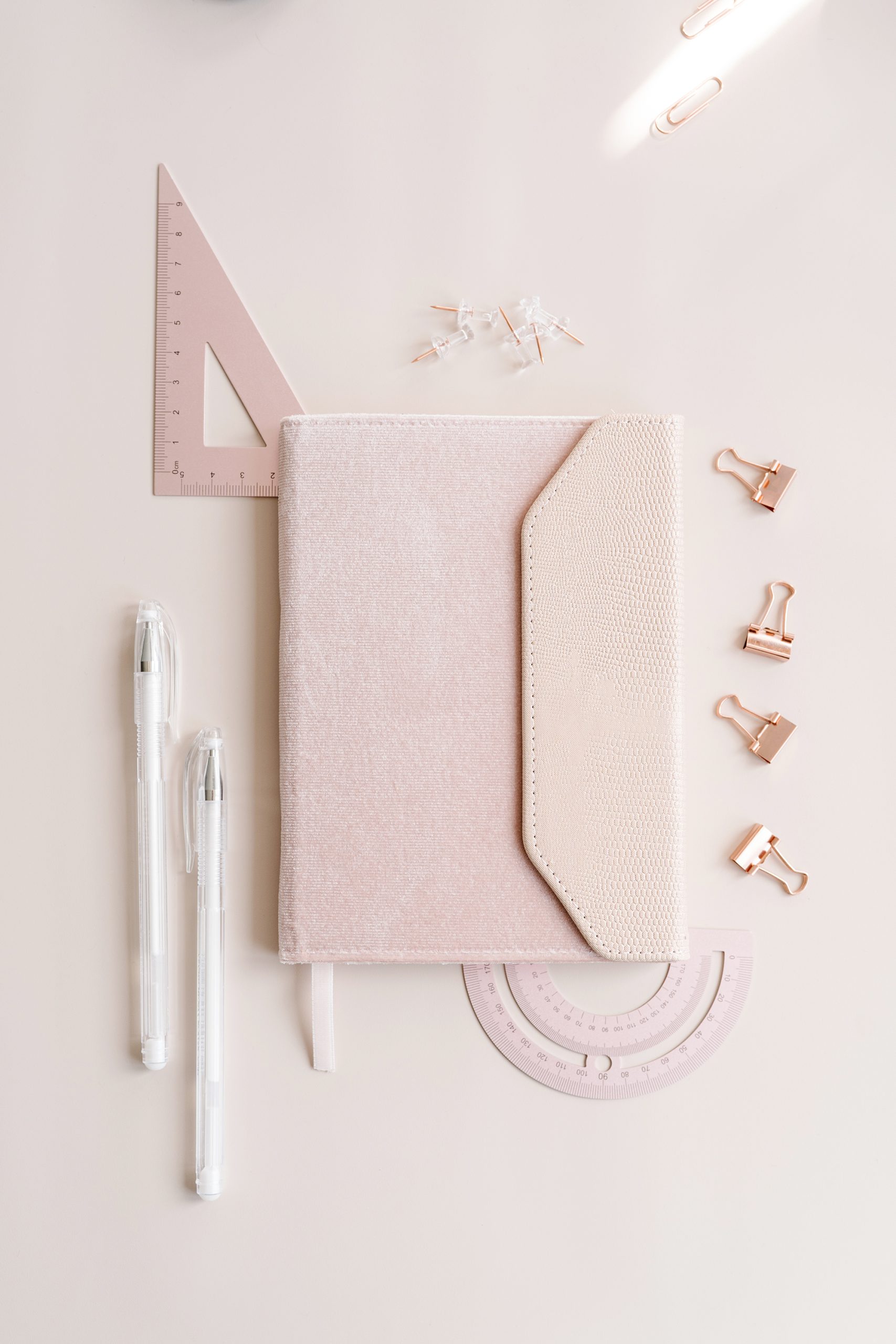
I love good journal prompts for beginners. Why? Starting a journal sounds very simple until you actually sit down in front of a blank page and suddenly forget every thought you’ve ever had in your entire life.
At least that’s what happened to me.
I used to buy notebooks fully convinced I was about to become the kind of person who journaled every night with perfect handwriting, deep thoughts, and a beautifully organized routine. Then I would open the notebook, stare at the page for five minutes, write two awkward sentences, and immediately close it again because I had no idea what I was supposed to say.
What helped me was realizing journaling does not need to sound profound or emotionally intense all the time. Most people are not naturally sitting down every evening overflowing with life-changing reflections. Sometimes your brain simply needs a starting point.
That’s why these 23 journal prompts for beginners help so much, especially when you’re new to journaling. They remove the pressure of figuring out what to write about and make journaling feel much more natural and approachable.
I also noticed journaling became much easier once my environment felt more relaxing overall. Softer lighting, music in the background, tea nearby, and keeping my phone farther away somehow made writing feel more comforting instead of forced.
Why Journaling Helps More Than People Realize
I genuinely think journaling helps mentally because it gives your thoughts somewhere to go besides endlessly circling around your head all day.
Life already feels mentally noisy enough now. Notifications, social media, work stress, endless scrolling, and constant distractions make it very easy to feel emotionally overwhelmed without fully realizing it.
Writing things down physically slows your thoughts down differently than typing quick notes into your phone. Even short journal entries usually leave me feeling mentally lighter afterward because my brain finally stops trying to hold onto everything at once.
I also love that journaling quietly documents your life over time. Little thoughts, routines, worries, goals, friendships, habits, and random moments eventually become snapshots of different seasons of your life without you even realizing it in the moment.
And honestly, journaling fits naturally into slower calmer routines too. Sitting down at night with a notebook, softer lighting, and quieter surroundings can make evenings feel much less overstimulating overall.
If you’ve been trying to create calmer nighttime habits lately, these evening routines fit really naturally with journaling and slower routines too: 8 Good Things to Do Every Night Before Bed
23 Journal Prompts for Beginners
1. What has been taking up most of my mental energy lately?
This is one of the easiest prompts to start with because most people already have thoughts sitting heavily in the back of their mind somewhere. Writing them out often helps you understand what’s actually stressing you out instead of carrying vague mental overwhelm all day.
2. What does my ideal day realistically look like?
I like this prompt because it helps separate what genuinely makes you happy from what simply looks productive or impressive online.
3. What small things have been making me feel better recently?
This prompt helps you notice smaller routines, habits, or moments that positively affect your mood without you fully realizing it.
4. What kind of life am I trying to create for myself?
You do not need a perfectly detailed answer for this either. Sometimes writing loosely about the kind of feeling you want your life to have is enough.
5. What has been making me feel emotionally drained lately?
I think many people stay overwhelmed because they never stop long enough to identify what’s actually exhausting them.
6. What are five things I genuinely enjoy doing?
This sounds simple, but many people realize they spend most of their time doing things they “have” to do instead of things they actually enjoy.
7. What routines make my life feel more peaceful?
This prompt helped me realize how much softer nighttime routines, cleaner spaces, reading, journaling, and less screen time improved my mood overall.
8. What version of myself feels happiest?
I love this prompt because it helps you notice patterns. Sometimes your happiest version already exists in small moments throughout your life.
9. What have I been avoiding emotionally?
This prompt can feel slightly uncomfortable, but it usually leads to the most honest journal entries.
10. What are some things I want to stop caring so much about?
Social pressure, perfectionism, comparison, productivity, appearance, timelines, or constantly needing validation can take up much more emotional energy than people realize.
11. What does comfort look like to me?
I love writing about smaller comforting things because they often reveal what helps you feel grounded emotionally.
12. What kind of environment helps me feel my best?
This prompt helped me realize how much lighting, clutter, routines, music, and even small apartment details affect my mood daily.
13. What are some memories I never want to forget?
Journaling does not always need to focus on stress or self-improvement. Sometimes preserving good memories matters too.
14. What habits make my life harder?
I think people often know which habits are negatively affecting them long before they actually admit it honestly to themselves.
15. What has been making me feel inspired lately?
Books, hobbies, people, music, routines, content, goals, or little experiences can all influence your energy more than you realize.
16. What do I need more of in my life right now?
Rest, creativity, structure, friendships, alone time, movement, softness, excitement, or slower routines are common answers people discover through this prompt.
17. What usually helps me feel grounded again?
This prompt becomes especially helpful during stressful periods because it reminds you of things that genuinely stabilize your mood.
18. What kind of person do I want to become?
I like this question because it focuses less on achievements and more on personal energy, habits, mindset, and lifestyle.
19. What moments from this month made me genuinely happy?
Sometimes we move through life so quickly that we barely process good moments before immediately moving onto the next thing.
20. What am I currently overthinking?
This prompt usually becomes much longer than people expect once they actually start writing honestly.
21. What are some things I want to romanticize more in my everyday life?
This prompt helped me appreciate slower mornings, reading more, cooking, journaling, decorating my space, and quieter routines much more.
22. What would make this season of my life feel better emotionally?
I think this prompt works well because it encourages realistic emotional improvements instead of dramatic life overhauls.
23. What do I want to remember about my life right now?
This might be my favorite journaling prompt because it captures ordinary life while you’re still living it instead of only appreciating it afterward.
If you’ve been trying to reconnect with softer hobbies lately, journaling also fits naturally with these calming hobbies and slower routines too: 15 Girly Hobbies To Add More Joy And Softness To Your Life
Common Mistakes Beginners Make With Journaling
One of the biggest mistakes people make is thinking every journal entry needs to sound deep, emotional, or beautifully written. That pressure usually makes journaling feel intimidating instead of relaxing.
I also think many beginners force themselves into strict daily journaling schedules immediately, which quickly turns journaling into another stressful obligation instead of a calming habit.
Another issue is comparing your journal to aesthetic journaling content online. Real journals are usually much messier, more random, and much more personal than social media makes them look.
And honestly, journaling works best once it feels low-pressure and natural instead of overly structured.
What Actually Helped Me Start Journaling Consistently
What helped me most was removing pressure completely.
Once I stopped trying to sound impressive or emotionally profound all the time, journaling became much easier. Using prompts also helped because they gave my brain a starting place instead of leaving me staring at blank pages unsure where to begin.
I also noticed journaling felt much more enjoyable once I created softer nighttime routines around it. Warm lighting, calmer music, tea nearby, and less phone time genuinely changed the experience completely.
And honestly, journaling became much more meaningful once I treated it like personal quiet time instead of another self-improvement project.
Final Thoughts
Starting a journal does not require perfect habits, deep thoughts, or beautifully written pages to still become meaningful.
Most journals simply become collections of your thoughts, routines, memories, emotions, goals, and little everyday moments over time.
And honestly, in a world where life already feels loud and overstimulating constantly, having one slower private space to process your thoughts feels much more valuable than people realize.