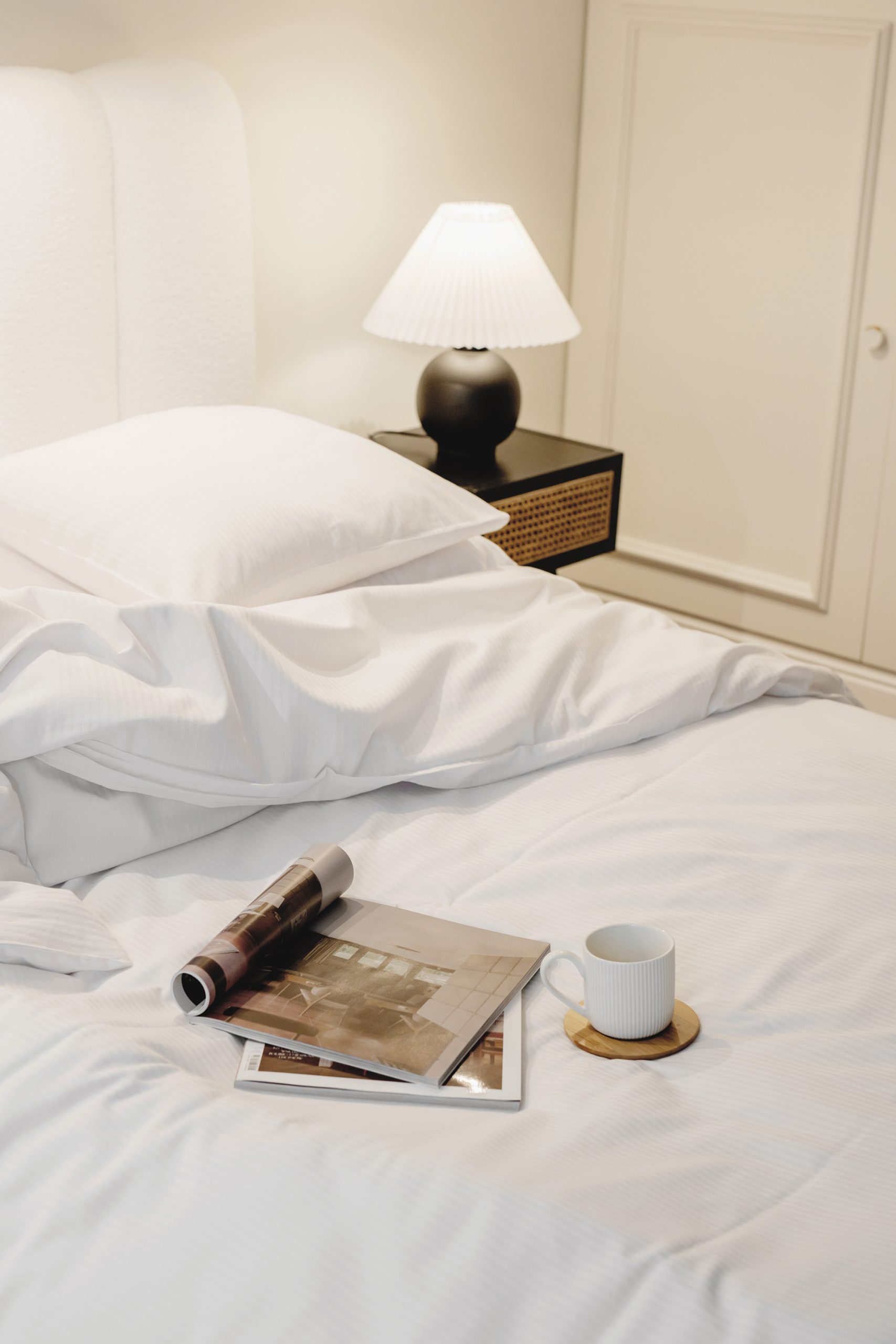
I think evenings feel very different now compared to a few years ago. Most people finish work, sit down for “a quick scroll,” and suddenly it’s midnight and their brain somehow feels both overstimulated and exhausted at the same time. Even relaxing has started feeling strangely loud because so many evenings revolve around screens, notifications, background noise, and constantly consuming something.
That’s one reason screen-free evenings started helping me so much. I realized my brain never really had time to slow down properly because even my “rest” still involved endless scrolling, random videos, group chats, or switching between apps for hours without thinking about it.
And honestly, I don’t think people realize how mentally draining that becomes until they spend one slower evening away from screens and suddenly notice how much lighter their mind feels afterward.
The good thing is screen-free evenings do not have to mean sitting in silence doing nothing. There are actually so many evening activities for adults at home that feel relaxing, creative, productive, or comforting without involving screens constantly. A lot of them also end up improving your sleep, attention span, stress levels, and overall mood much more than people expect.
Why Screen-Free Evening Activities Feel So Good
One thing I noticed is that my evenings started feeling much calmer once I stopped needing constant stimulation every second. At first it actually felt uncomfortable because my brain was so used to grabbing my phone automatically anytime there was even a tiny moment of silence.
But after a while, slower activities started feeling much more enjoyable again.
I also think screen-free evenings help people reconnect with hobbies and routines they forgot they even enjoyed. Reading, baking, journaling, stretching, organizing your room, crafting, listening to music, or even making tea while the house is quiet somehow feels much more grounding than spending hours consuming random content online.
Another thing is that screens make it harder for your brain to fully transition into rest mode. Even when you think you’re relaxing, your mind is still processing information constantly. That’s probably why many people feel mentally tired but still struggle to actually feel rested at night.
And honestly, some of my best evenings recently have been the simplest ones.
50 Evening Activities for Adults At Home That Are Screen Free
One of my favorite screen-free evening activities is reading physical books again instead of reading everything on my phone. Reading before bed makes my evenings feel much slower and less chaotic overall. I also sleep better afterward compared to nights where I scroll until I’m exhausted.
If you’ve been struggling to focus on books lately, these slower reading habits fit naturally with screen-free evenings too: How to Get Out of a Reading Slump
Journaling is another thing that genuinely helps clear mental clutter after long days. Sometimes your brain just needs somewhere to place all the random thoughts it’s carrying around. I also think journaling feels much more relaxing at night with softer lighting, tea, candles, and quieter music playing in the background.
And honestly, small things like using nicer notebooks or smoother pens somehow make screen-free hobbies feel more enjoyable too.
Some relaxing evening activities for adults at home that are screen free are:
- Read a physical book
- Journal your thoughts
- Stretch before bed
- Try beginner yoga
- Listen to calming music
- Organize your room
- Deep clean one small area
- Light candles around the house
- Make herbal tea
- Bake cookies or brownies
- Practice gratitude journaling
- Try a longer skincare routine
- Write future goals down
- Paint your nails
- Read magazines
- Work on a puzzle
- Crochet or knit
- Practice calligraphy
- Draw or paint
- Scrapbook memories
- Declutter a drawer
- Rearrange part of your room
- Listen to podcasts without multitasking
- Meditate before bed
- Practice deep breathing
- Write letters to yourself
- Try adult coloring books
- Organize your closet
- Plan outfits for the week
- Try a new tea flavor
- Bake homemade bread
- Create a vision board
- Water your plants
- Start a gratitude notebook
- Learn simple embroidery
- Practice dancing alone
- Make homemade desserts
- Sit outside for fresh air
- Write affirmations down
- Organize recipes you want to try
- Practice piano or guitar
- Do a face mask
- Make your bed feel extra comfortable
- Write a brain dump list
- Try a solo picnic indoors
- Read poetry
- Listen to rain sounds or jazz music
- Fold laundry while listening to music
- Prepare breakfast for the next morning
- Simply sit in silence for a while
I also think evenings feel much less rushed once you stop expecting yourself to always be productive. Sometimes screen-free activities are helpful simply because they allow your brain to slow down properly instead of constantly consuming information until bedtime.
Screen-Free Evening Activities That Actually Improve Your Mood
One thing I noticed is that some evening habits leave you feeling mentally heavier afterward while others genuinely improve your mood once the night ends.
Scrolling usually gives temporary distraction, but slower activities often create actual relaxation instead. Reading, baking, journaling, stretching, organizing your room, or listening to music while doing simple tasks tends to leave people feeling calmer emotionally afterward.
I also think creating softer evening routines changes your entire relationship with nighttime. Better lighting, candles, warm drinks, blankets, books, and quieter activities make evenings feel much more intentional instead of chaotic.
And honestly, romanticizing your evenings slightly makes staying off your phone much easier.
If you’ve been trying to create calmer routines lately, these slower habits fit naturally with screen-free evenings too: 15 Girly Hobbies To Add More Joy And Softness To Your Life
Common Mistakes People Make With Screen-Free Evenings
One mistake people make is assuming screen-free evenings have to feel super productive all the time. Sometimes the goal is simply allowing your brain to rest properly instead of constantly consuming stimulation.
I also think many people try to completely eliminate screens overnight and then get frustrated when it feels difficult. Small changes usually feel much more sustainable. Even reducing scrolling by one hour every evening can make a noticeable difference mentally.
Another issue is creating evenings that feel boring instead of relaxing. That’s why hobbies, music, books, journaling, baking, or creative activities help so much because they still give your brain something enjoyable to focus on without constant overstimulation.
And honestly, your environment matters more than people realize too. Softer lighting, cleaner spaces, candles, and relaxing music genuinely change the energy of your evenings.
What Actually Helped Me
What helped me most was creating evenings that felt comforting enough that I naturally wanted my phone less.
Once I stopped relying on endless scrolling as my default nighttime habit, I started enjoying slower hobbies much more again. Reading became easier. Journaling felt calming instead of forced. Even small things like making tea at night or organizing my room while listening to music started feeling genuinely relaxing.
I also noticed my sleep improved once my brain stopped consuming nonstop information right before bed every night.
And honestly, some of the most peaceful nights I’ve had recently were the ones where I barely touched my phone at all.
Final Thoughts
There are actually so many evening activities for adults at home that are screen free once you stop assuming entertainment has to come from your phone constantly.
Sometimes slower evenings end up improving your mood, sleep, focus, and overall mindset much more than endless scrolling ever does.
And honestly, learning how to enjoy quieter evenings again feels like one of the healthiest habits to rebuild right now.